Accessible hearing care becoming increasingly urgent
People in the Netherlands wait too long to seek help for their hearing
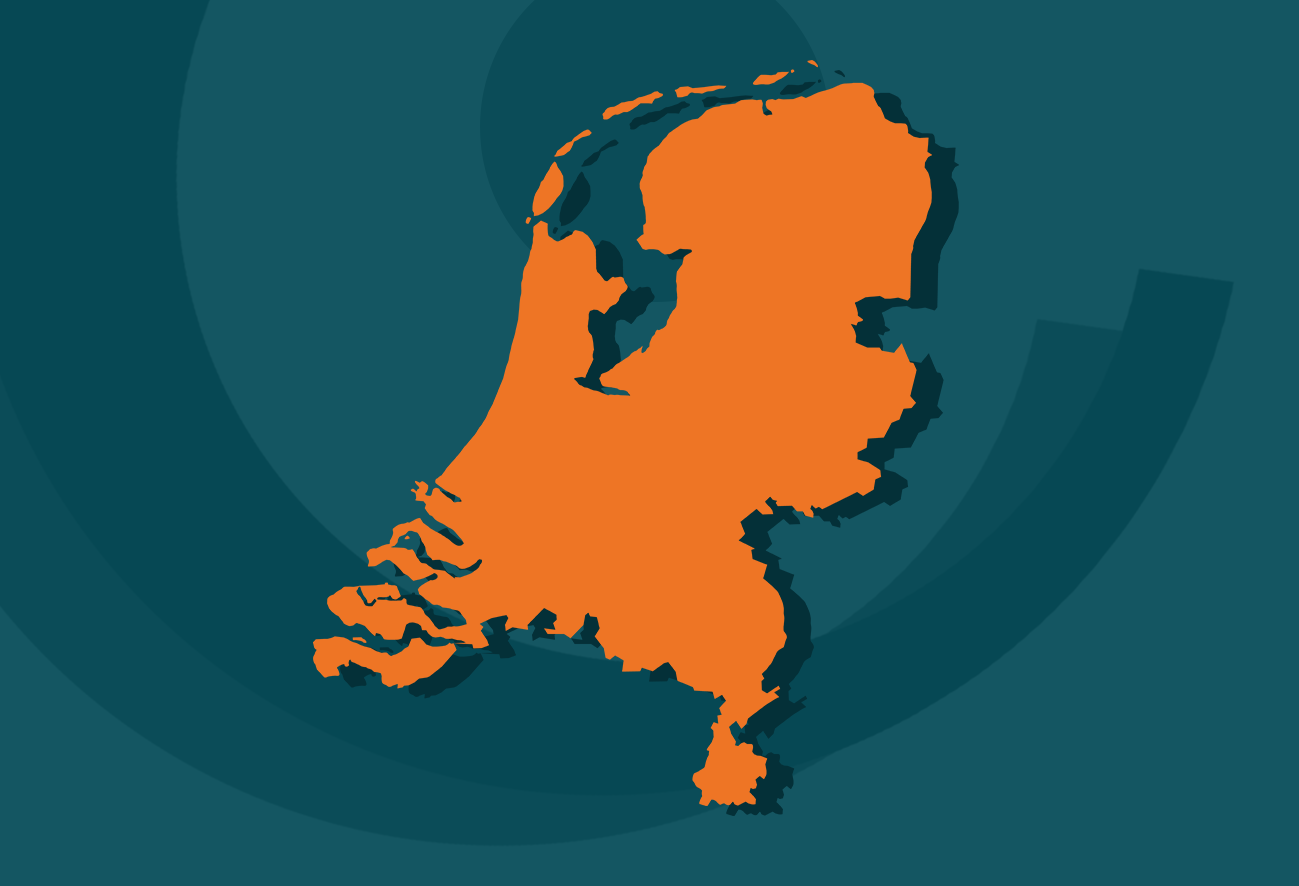
EuroTrak NLD 2026, a large-scale study of hearing loss and hearing solutions in the Netherlands, shows, among other things, that many people in the Netherlands wait too long before seeking a solution for hearing loss. In response to the findings, hearing care companies and manufacturers are sounding the alarm. They believe that ensuring accessible hearing care is becoming increasingly urgent. Especially now that people are expected to remain healthy and productive at work for longer, being able to hear well is essential for full participation – at home, socially and at work. Hearing care is therefore not only an individual matter, but also a societal and labour market issue.
People in the Netherlands with hearing loss often wait too long before seeking appropriate help. Of those who now wear a hearing aid, 61% say in hindsight that they should have done so sooner. This delay is not without consequences: hearing loss can significantly affect social life and functioning at work. For example, 52% of hearing aid users believe that their hearing aid will enable them to continue working for longer. This is shown by EuroTrak NLD 2026, in which 14,364 respondents participated.
Good hearing care delivers substantial benefits to society
The findings underline the societal importance of good, accessible hearing care. Hearing well is essential for participating in society and therefore helps prevent other problems. “People still wait too often before addressing hearing loss, until they can no longer manage,” says Demelza Rapmund, general board member representing Hoorprofs-CvZA. “But reduced hearing has a major impact on how people participate, stay in touch, feel safe and age healthily. We therefore need to make people aware sooner of the signs and of the options available. Accessible hearing care starts with prevention and early detection and continues through to appropriate treatment, aftercare and supplementary hearing solutions.”
Hearing care helps people remain in work for longer
Hearing loss affects not only people’s private lives, but also their working lives. This makes the topic particularly timely now that people are expected to work until later in life and sustainable employability is becoming increasingly important. The EuroTrak findings show that 52% of working people with a hearing aid are able to remain in work for longer as a result. They experience less fatigue in the evening and sleep better. In addition, 94% of working hearing aid users find their hearing aid useful at work. “Good hearing care is therefore also a labour market issue,” says Marvin Hoogerwerf, Chair of GAIN. “When people can hear better, they can communicate better, stay more energetic and continue working for longer and with greater confidence.”
Those who delay seeking help for hearing loss miss more than sound
Many people with hearing loss delay seeking help. Yet the study shows that this delay has consequences. Of those who now wear a hearing aid, 61% say in hindsight that they should have sought help sooner. They mainly identify a better social life, less fatigue, better mental health and better performance at work as missed opportunities. No fewer than 93% of hearing aid users say that the device contributes to a better quality of life. In addition, 74% have felt safer in urban areas since wearing a hearing aid, for example because traffic signals and approaching vehicles are easier to hear. Once they have acquired one, 27% say that the device even exceeds their expectations. These positive findings among hearing aid users primarily show what is possible when people receive appropriate help in time. They also send an important message to people who recognise hearing loss but have not yet taken action: take hearing loss seriously.
Hearing care needs to be easier to understand
A lack of knowledge about costs and reimbursements can deter people from seeking help. Of people with hearing loss who do not have a hearing aid, 58% do not know whether a third party would reimburse the costs. By contrast, 82% of current hearing aid users received reimbursement. “The current system is too complex. It may seem logical on paper, but if people do not understand what they are entitled to, what choices they can make and who pays for what, it creates a barrier in practice,” says Wesley van der Linden, general board member representing Kwaliteitsaudiciens. “Ultimately, consumers pay the price through uncertainty, delay or missing out on appropriate help. The best hearing solution differs from person to person. Clear information and expert guidance are therefore indispensable, as is a clear and fair reimbursement system.”
Innovation can bring care even closer
We are already seeing technology make hearing care more personalised and accessible. At present, 54% of hearing aid users use an app with their hearing aid. Of these, 69% are satisfied with how it works. However, remote services remain largely unknown. Only 8% have experience of remote fitting, in which a hearing care professional can adjust a device remotely. Among hearing aid users, 61% have never heard of it. Wilrik van ‘t Noordende, interim Chair of NVAB, sees digital care as a complement to personal contact. “Technology can make check-ups and adjustments more accessible and help professionals use their available time in a more targeted way. Personal guidance and aftercare remain essential.”
Further gains can still be made
There is also considerable scope for improvement in preventing hearing damage and making use of assistive listening devices. For example, 53% of people with hearing loss do not protect their hearing in noisy situations, such as at a concert or while doing DIY. In addition, more than half are unaware of aids such as alerting and alarm systems. Combining a hearing aid with supplementary assistive listening devices can help people participate more safely, independently and actively.
The trade associations representing hearing care companies and manufacturers are calling on the government, health insurers, healthcare providers, employers and the hearing care sector to work together on greater prevention, regular hearing tests, clear information, expert guidance and the responsible use of innovation and available solutions.
The findings of EuroTrak NLD 2026 show how much can be gained when hearing loss is taken seriously earlier – not only once participation becomes difficult, but from the very first signs. Good, accessible hearing care not only helps people hear better, but above all enables them to remain connected, active and fully involved in society.
Download EuroTrak Netherlands 2026 here.
___________________________________________________________________________________________
About EuroTrak
EuroTrak is the largest international study of hearing loss, its impact, and the use and experience of hearing aids and assistive listening devices. Anovum has conducted this study several times on behalf of the hearing care sector. The Dutch edition comprises a representative screening of 14,364 people and in-depth interviews with 1,297 people with self-reported hearing loss.
About the issuing organisations
The EuroTrak study is supported by four national trade associations:
- Hoorprofs – Collective of Independent Hearing Care Professionals
- Quality Hearing Care Professionals (dKA)
- Joint Audiological Industries Netherlands (GAIN)
- Dutch Association of Hearing Care Companies (NVAB)
The four associations represent hearing care companies and manufacturers of hearing solutions and assistive listening devices, and together therefore represent the vast majority of the Dutch hearing care sector. By working together more closely, they aim to further improve the quality of hearing care in the Netherlands and make it even more transparent and reliable.