Survey overview
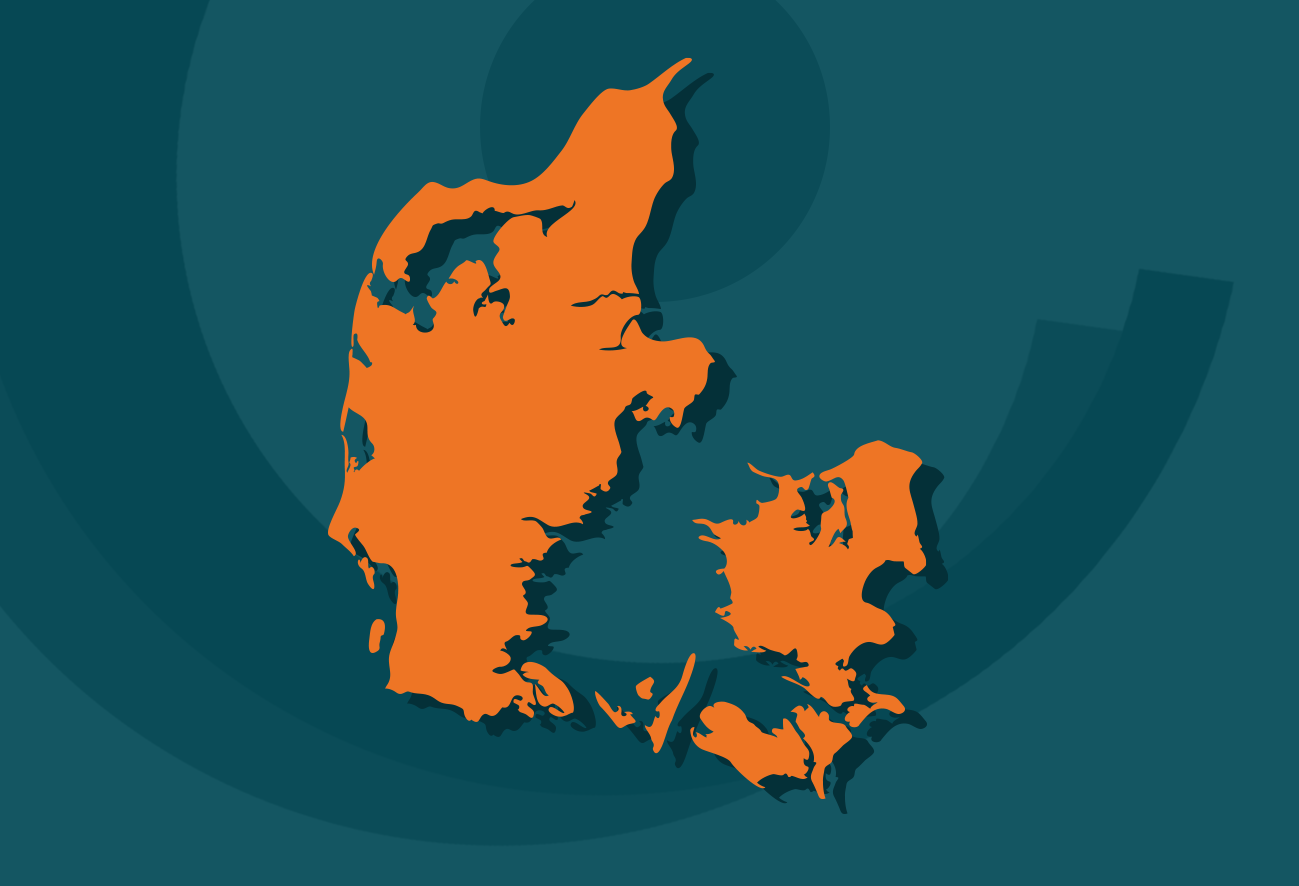
EuroTrak Denmark 2012 was designed and conducted by Anovum on behalf of LFH. The study included a representative screening sample of 14,070 people and detailed interviews with 1,320 people with self-reported hearing loss, comprising 656 hearing aid owners and 664 non-owners.
Hearing loss and adoption
In EuroTrak Denmark 2012, 10.0% of the total population reported hearing loss, rising to 11.9% among adults aged 18 and over.
Hearing aid adoption was 47.8% among people with self-reported hearing loss and 50.0% among adults with hearing loss. Among hearing aid owners, 82% had binaural treatment. Binaural hearing loss was reported by 85% of hearing aid owners and 58% of non-owners.
Route to hearing care
38% of respondents had undergone a hearing test within the previous five years.
Among people with self-reported hearing loss, 70% had discussed their hearing loss with an ENT doctor and/or family doctor, while 49% were recommended hearing aids by one of these professionals.
GPs frequently acted as a referral point: 56% of GP consultations resulted in referral to an ENT, while 11% resulted in a recommendation for no further action. Among ENT consultations, 34% resulted in referral to an audiologist, 37% in a recommendation to obtain a hearing aid and 33% in a recommendation for no further action.
Hearing aid use and satisfaction
Hearing aids were worn for an average of 9.2 hours per day. 62% of currently owned hearing aids had been fitted in 2009 or later, and the average age of devices was 4.1 years.
Overall, 70% of hearing aid owners were satisfied with their devices. Satisfaction increased with longer daily wearing time and was also higher among users with more recently acquired devices.
Users reported significant positive effects particularly in communication, relationships at home and participation in group activities. Hearing aid ownership was also associated with a lower reported risk of depression and forgetfulness compared with untreated hearing loss.
Reimbursement and awareness
Third-party support was widespread: 91% of hearing aid owners received some form of third-party reimbursement.
Awareness among non-owners was considerably lower. 48% did not know whether a third party would contribute to the cost of hearing aids, while 16% believed that no third party would pay.
Barriers to adoption
The main reasons for not using hearing aids were feeling that hearing loss was not severe enough, believing they could still hear well enough in most situations, and concerns that hearing aids would be uncomfortable. The survey specifically noted that hearing aid cost was not a major barrier in Denmark.
14% of non-owners intended to obtain a hearing aid within the following year. Worsening hearing loss, encouragement from significant others and the availability of hearing aids free of charge were among the most important potential influences on adoption.
Overall, EuroTrak Denmark 2012 shows high hearing aid adoption, substantial daily use and positive reported benefits among users, while perceived need and concerns about comfort remained important barriers among non-owners.
Source: Anovum – EuroTrak Denmark 2012.