The 6th European Hearing Industry Forum highlighted growing recognition of hearing health as a public health priority.
Hearing care is increasingly being recognised as an important part of public health policy. Across Europe, discussions on hearing health are moving beyond clinical care and technology alone, and are becoming part of wider debates on healthy ageing, prevention, accessibility, workforce participation and sustainable healthcare systems.
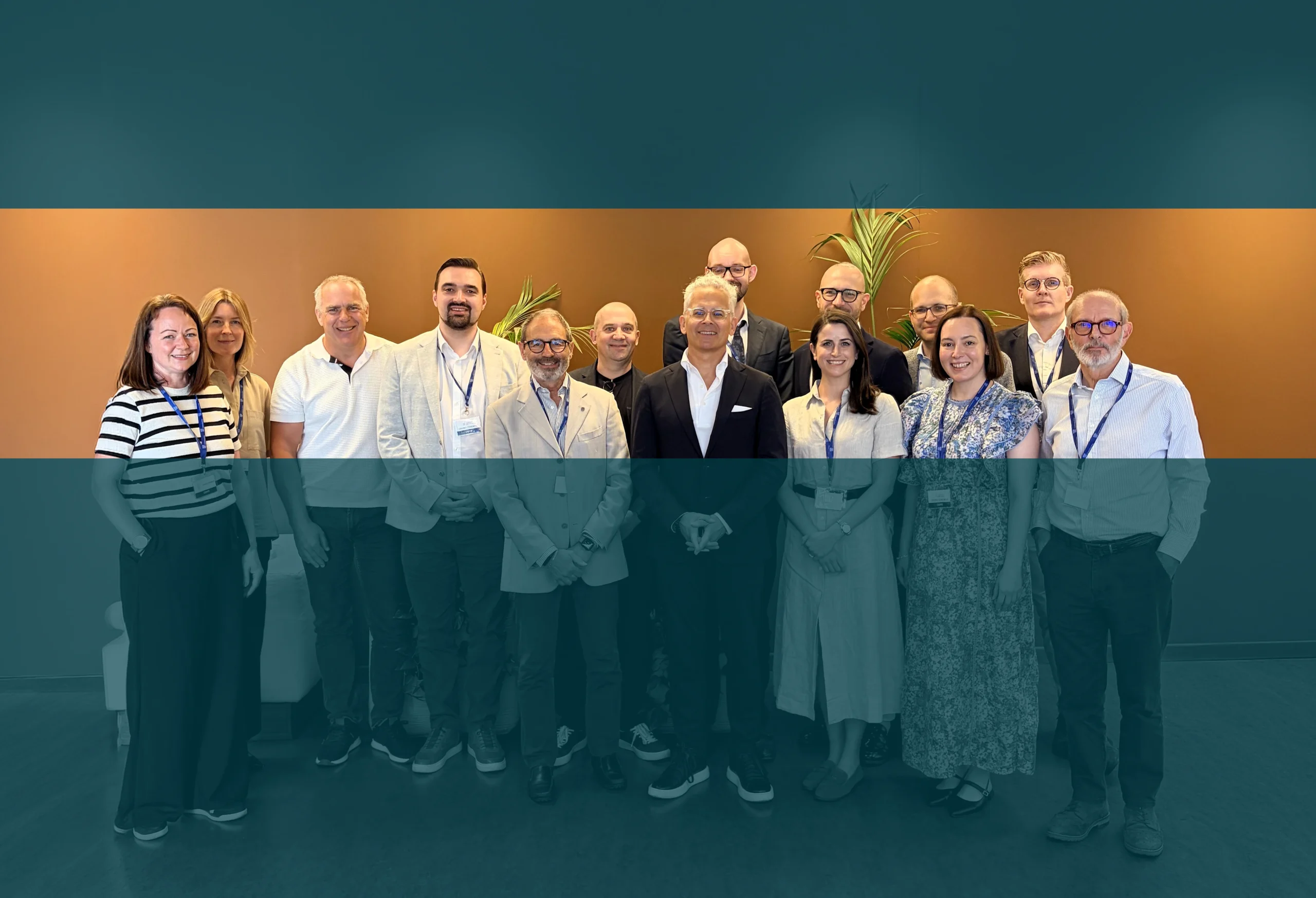
This development was reflected at the 6th European Hearing Industry Forum (EHIF), held in Rome and organised by the European Hearing Instrument Manufacturers Association (EHIMA). The Forum was graciously hosted by Confindustria Dispositivi Medici and brought together leaders of national hearing industry associations from across Europe and the United States.
Over two days, participants exchanged perspectives on the policy, regulatory and market developments shaping hearing care and hearing technology. While national healthcare systems and reimbursement frameworks differ, the discussions pointed to a shared trend: hearing health is gaining greater attention among policymakers, healthcare authorities and public institutions.
Hearing health as a public health priority
Several national associations reported increased engagement with public authorities on access to hearing care, reimbursement, professional standards and awareness-raising.
In Spain, the publication of ANFIA’s White Paper on Hearing Health has created new opportunities for dialogue with government stakeholders. It provides a basis for discussions on access, affordability and the role of professional hearing care.
In Italy, ANIFA continues to engage with national and regional authorities on reimbursement frameworks, procurement policies and the modernisation of hearing care standards. A key priority is ensuring that public healthcare systems reflect the development of modern digital hearing technology.
In France, stakeholders continue to work within a reimbursement system that has expanded access to hearing care in recent years, while also considering questions of sustainability, innovation and patient outcomes.
These examples illustrate a broader shift. Hearing care is increasingly viewed not only as a medical device issue, but as a public health concern linked to participation, independence and quality of life.
Hearing care and for healthy ageing
A recurring theme during the Forum was the role of hearing care in supporting healthy ageing.
Hearing loss becomes more common with age, and demographic change will increase the importance of timely access to hearing care. EHIMA’s public health paper notes that hearing loss affects more than 56 million people across the EU, the UK, Norway and Switzerland, and that untreated hearing loss can have consequences for communication, social participation, mental health, workforce engagement and quality of life.
Associations reported growing interest in the links between hearing loss, social participation, cognitive health and wellbeing. This reflects a broader public health perspective in which hearing care is considered part of strategies to support active and healthy ageing.
Germany’s recent World Hearing Day campaign focused on longevity and hearing health, highlighting the contribution of hearing care to communication, social engagement and wellbeing throughout life. In the United Kingdom and the United States, organisations are also placing increasing emphasis on early identification and long-term health outcomes.
The policy message is clear: hearing care can help people remain active, connected and independent as they age.
Evidence as a basis for better policy
As hearing care receives greater policy attention, reliable evidence becomes increasingly important.
Participants underlined the need for data on hearing loss prevalence, hearing aid adoption, patient outcomes, public awareness and barriers to care. Such evidence is essential for informed policy decisions and for improving access to professional hearing care.
EHIMA’s EuroTrak survey programme plays an important role in this context. EuroTrak is the largest comparative multi-country study on hearing loss and hearing aid usage, providing data on self-reported hearing loss, hearing aid adoption, satisfaction and the experience of people with hearing instruments.
The 2024 joint AEA, EFHOH and EHIMA report, Getting the numbers right on Hearing Loss, Hearing Care and Hearing Aid Use in Europe, shows that around 11.1% of the population across the EU, Norway, Switzerland and the UK self-report hearing loss. It also shows that hearing aid uptake remains uneven across Europe and is strongly influenced by access pathways, reimbursement and professional support.
The Forum discussions confirmed the importance of complementing market data with broader evidence on outcomes, quality of care and the societal value of hearing intervention. Good policy requires good data.
Audiology workforce and access to care
Access to hearing care also depends on the availability of qualified professionals. As demand for hearing care grows, workforce capacity is becoming an important factor in the resilience of national hearing care systems.
One of the more notable developments discussed in Rome concerned the future hearing care workforce in Europe. While many countries continue to report difficulties attracting and training sufficient numbers of hearing care professionals, France is experiencing rapid growth in its audiology workforce. According to projections presented by SNITEM, the number of active hearing care professionals could increase from around 5,100 in 2023 to more than 9,500 by 2030, significantly exceeding the estimated requirement of approximately 6,700 professionals. Part of this growth is being driven by students trained abroad, particularly in Spain, who are now entering the French market.
The situation highlights a growing European challenge: while some countries struggle with workforce shortages and limited access to care, others may soon face questions about labour market saturation. It also illustrates the increasing importance of cross-border professional mobility and the need for a more coordinated European approach to audiology education and workforce planning.
Differences in training pathways, professional recognition and national labour market needs can affect both access and long-term system capacity. Sharing evidence and experience between countries can help support more informed approaches to workforce planning.
Innovation and proportionate regulation
Hearing technology is developing rapidly. Artificial intelligence, wireless connectivity and new assistive listening technologies are creating opportunities to improve accessibility and user experience.
One important example is Auracast™ broadcast audio, a Bluetooth® technology that allows audio content to be streamed to multiple compatible devices at the same time. This can support accessibility in public spaces such as transport hubs, conference centres, cultural venues and places of education.
EHIMA has supported the development of Bluetooth LE Audio standards and has described Auracast™ as a universal standard for streaming audio directly to hearing instruments. EHIMA has also emphasised that new technologies should be implemented in ways that respond to the practical needs of hearing instrument users.
At the same time, innovation must be supported by clear and proportionate regulation. Hearing instruments are highly sophisticated medical devices and are already subject to strict regulatory requirements. EHIMA has consistently underlined the need for regulatory clarity and coherence, particularly where horizontal digital legislation interacts with sector-specific medical device rules.
A clear and proportionate regulatory framework is important to ensure that innovation can continue to deliver benefits for people with hearing loss, while maintaining high standards of safety and performance.
A shared European agenda
The Forum demonstrated the value of exchange between national associations. Many countries face similar challenges, including awareness gaps, uneven access to hearing care, reimbursement differences, demographic change, workforce needs and the integration of new technologies.
By sharing evidence, experience and policy approaches, national associations can support a stronger and more consistent European conversation on hearing health.
The discussions in Rome confirmed that hearing care is increasingly relevant to public health, healthy ageing, inclusion and healthcare sustainability. As awareness grows, hearing health should be considered more systematically in national and European policy frameworks.
The conversation is no longer only about hearing devices. It is about access to care, prevention, rehabilitation, independence and quality of life.