Survey overview
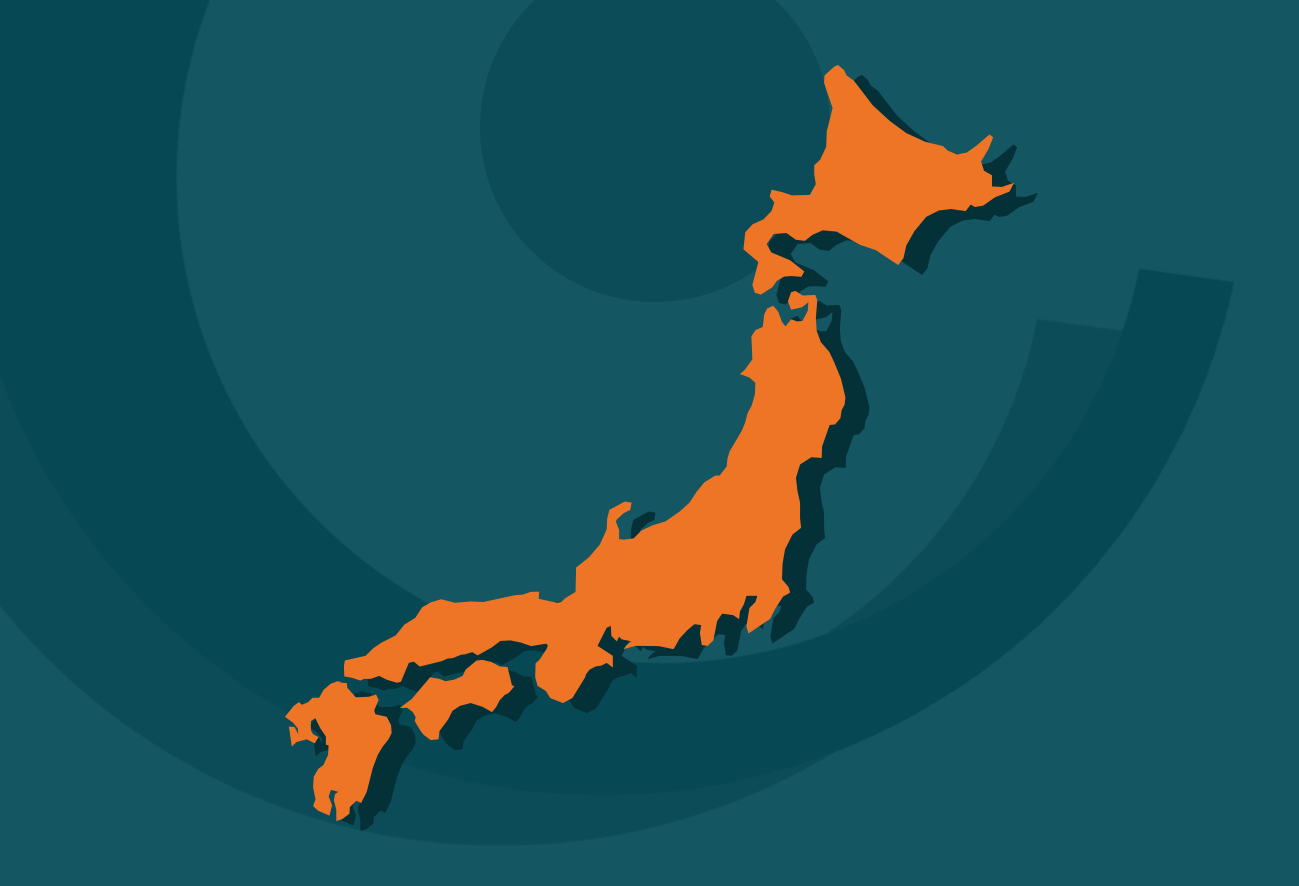
JapanTrak 2015 was designed and conducted by Anovum on behalf of the Japan Hearing Instruments Manufacturers Association (JHIMA). The study included a representative screening sample of 14,316 people and detailed interviews with 1,306 people with self-reported hearing loss, comprising 416 hearing aid owners and 890 non-owners.
Hearing loss and adoption
In JapanTrak 2015, 11.3% of the total population reported hearing loss, compared with 10.9% in 2012. Among adults aged 18 and over, prevalence was 13.1%, compared with 12.8% in 2012.
Hearing aid adoption was 13.5% among people with self-reported hearing loss, slightly below 14.1% in 2012. Among adults with hearing loss, adoption was 12.8%. Among hearing aid owners, 46% had binaural treatment. Adoption increased substantially with severity of hearing loss.
Route to hearing care
51% of respondents had undergone a hearing test within the previous five years, compared with 49% in 2012, with most tests carried out by ENT specialists and family doctors.
Among people with self-reported hearing loss, 40% had discussed their hearing loss with an ENT doctor and/or family doctor, but only 13% were recommended hearing aids by one of these professionals. Of those who discussed their hearing loss with a doctor, 80% first spoke with an ENT specialist and 20% with a family doctor.
Hearing aid use and satisfaction
Hearing aids were worn for an average of 6.8 hours per day, up from 5.7 hours in 2012. 42% of currently owned hearing aids had been acquired within the previous two years, and the average age of devices was 4.1 years.
Overall satisfaction increased slightly, with 39% of hearing aid owners satisfied with their devices, compared with 36% in 2012. 60% said their hearing aids worked as expected or better. Satisfaction was higher among people who wore their hearing aids for longer each day.
Users reported positive effects particularly in sense of safety, communication and feelings about themselves. 84% said their hearing aids improved their quality of life at least sometimes.
Reimbursement and awareness
Only 15% of hearing aid owners received some form of reimbursement from the government, compared with 12% in 2012.
Awareness among non-owners was very limited: only 9% knew about the government system for supplying hearing aids, although this was up from 6% in 2012.
Barriers to adoption
Among non-owners, the main reasons for not using hearing aids were discomfort, believing that hearing aids would not restore hearing to normal, and feeling that hearing loss was not severe enough.
Only 6% of non-owners intended to obtain a hearing aid within the following year, compared with 4% in 2012. Worsening hearing loss, advice from ENT specialists, encouragement from a spouse or child, and advice from hearing aid centres were among the most important potential influences on adoption. Price was particularly important for non-owners.
Overall, JapanTrak 2015 shows persistently low hearing aid adoption despite modest improvements in satisfaction and daily use. Limited progression through the hearing-care pathway, concerns about comfort and benefit, and low awareness of government support remained important barriers.
Source: Anovum – JapanTrak 2015.
Download Japan Trak 2015 here.