Survey overview
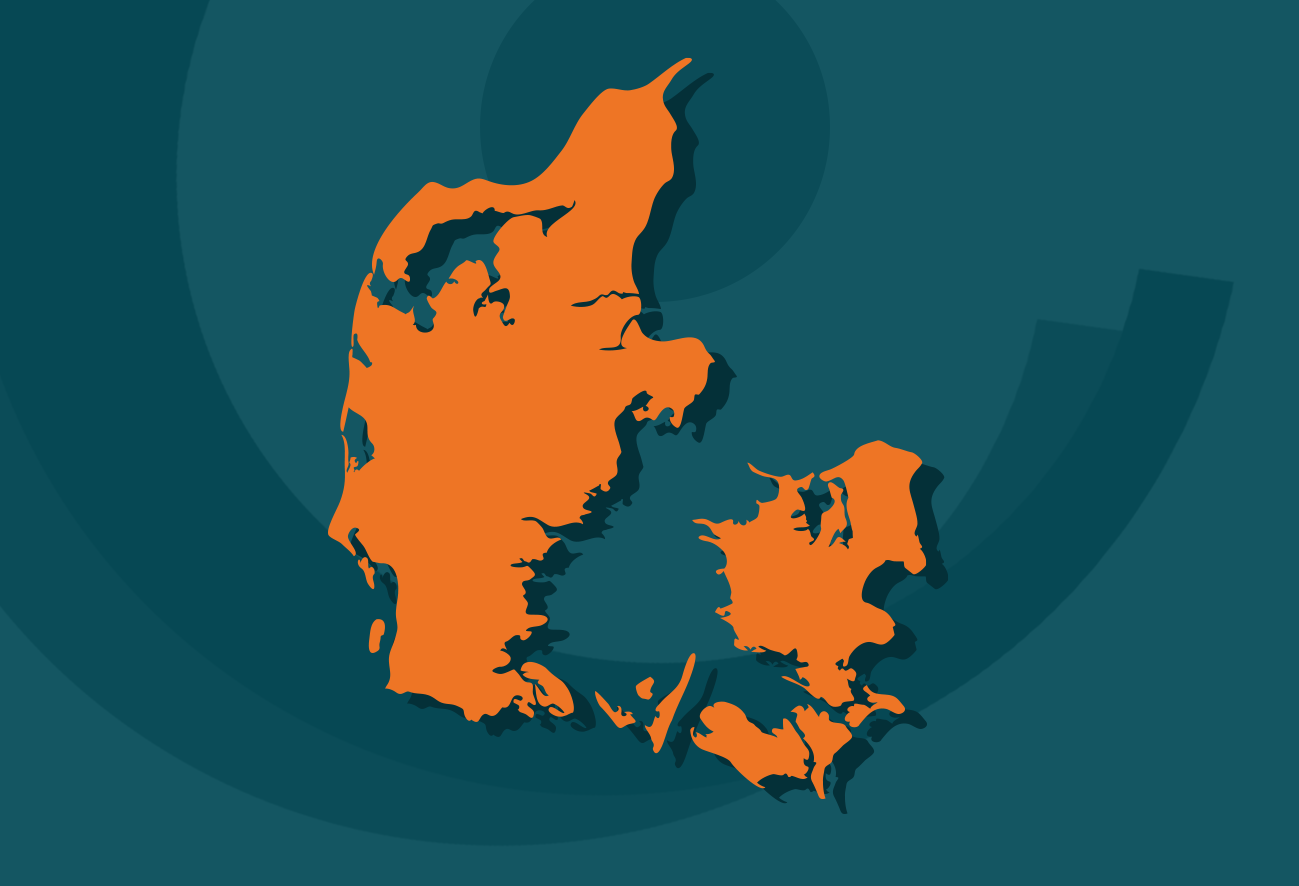
EuroTrak Denmark 2016 was designed and conducted by Anovum on behalf of LFH, PAKS and Høreforeningen, in cooperation with EHIMA. The study included a representative screening sample of 13,434 people and detailed interviews with 1,304 people with self-reported hearing loss, comprising 711 hearing aid owners and 593 non-owners.
Hearing loss and adoption
In EuroTrak Denmark 2016, 10.3% of the total population reported hearing loss, rising to 12.1% among adults aged 18 and over. These figures were broadly stable compared with 2012, when prevalence was 10.0% overall and 11.9% among adults.
Hearing aid adoption increased to 53.0% of people with self-reported hearing loss, up from 47.8% in 2012. Among adults with hearing loss, adoption reached 54.1%. Among hearing aid owners, 77% had binaural treatment.
Route to hearing care
34% of respondents had undergone a hearing test within the previous five years, compared with 38% in 2012. ENT specialists were the most common providers, accounting for 40% of hearing tests.
Among people with self-reported hearing loss, 68% had discussed their hearing loss with an ENT doctor and/or family doctor, while 56% were recommended hearing aids by one of these professionals.
GPs often acted as a referral point: 44% of GP consultations resulted in referral to an ENT. Among ENT consultations, 36% resulted in referral to an audiologist, 49% in a recommendation to obtain a hearing aid and 20% in a recommendation for no further action.
Hearing aid use and satisfaction
Hearing aids were worn for an average of 9.1 hours per day, broadly unchanged from 9.2 hours in 2012. The average age of currently owned hearing aids was 4.2 years.
Overall, 71% of hearing aid owners were satisfied with their devices, compared with 70% in 2012. 85% said their hearing aids worked as expected or better. Satisfaction was higher among people who wore their hearing aids for longer each day and among those using newer devices.
Users reported positive effects particularly in communication, social life and participation in group activities. 94% said their hearing aids improved their quality of life at least sometimes.
Reimbursement and awareness
Third-party support was widespread: 93% of hearing aid owners received full or partial reimbursement, including 55% whose hearing aids were completely paid for by a third party.
Among non-owners, awareness was lower: 38% believed that at least some of the cost would be covered, while 27% believed no third party would pay and 35% did not know.
Barriers to adoption
The main reason reported for not using hearing aids was believing that hearing was still good enough. Financial expectations also played a role, with 27% of non-owners believing that no third party would contribute to the cost, compared with 16% in 2012.
Only 15% of non-owners intended to obtain a hearing aid within the following year. Worsening hearing loss and the availability of hearing aids free of charge were among the most important potential triggers for adoption.
Overall, EuroTrak Denmark 2016 shows increasing hearing aid adoption, high daily use and widespread reported quality-of-life benefits, while perceived need remains an important barrier among non-owners.
Source: Anovum – EuroTrak Denmark 2016.