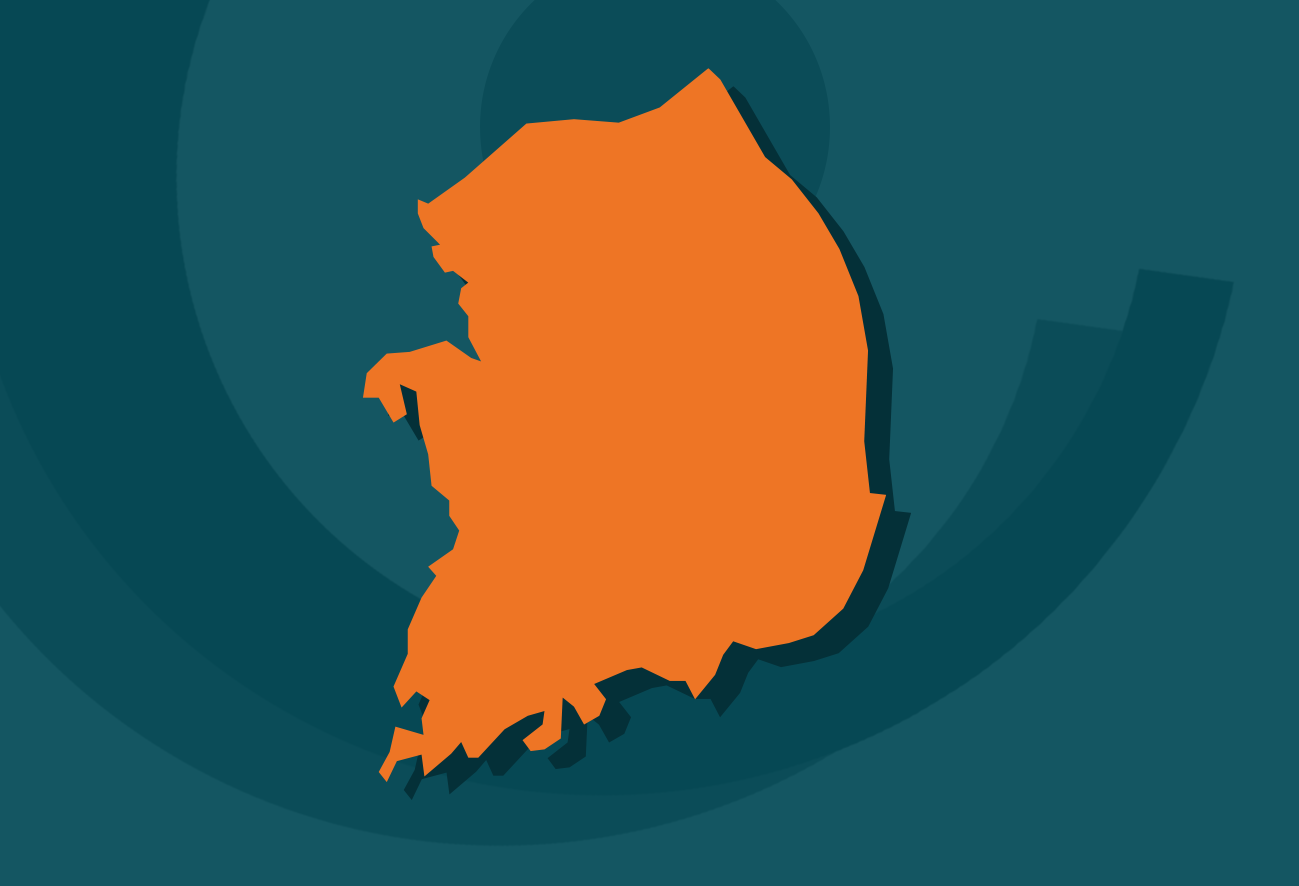
The APAC Trak Korea 2024 survey shows that around 5.3% of the total Korean population report having hearing loss. Among adults (18+), the figure is 5.9%.
The APAC Trak Korea survey, conducted regularly, provides insight into the state of hearing health in South Korea. Compared to 2021, the overall prevalence of self-reported hearing loss has slightly declined (from 5.9% to 5.3%), while hearing aid adoption among the hearing-impaired remains relatively stable.
Continued growth in hearing aid use
In the 2024 survey, 34.4% of people with self-reported hearing loss reported using hearing aids, slightly down from 36.6% in 2021 but still demonstrating strong overall adoption. The rate of binaural (two-ear) fitting has increased to 58%, up from 51% in 2021, indicating more comprehensive hearing care.
Widespread benefits of hearing aids
Users of hearing aids in Korea reported numerous benefits. The devices help improve communication, social interaction, confidence, and even the ability to safely navigate urban environments. Notably, 95% of hearing aid users stated that their devices improve their quality of life at least sometimes.
The positive impact extends to emotional and physical well-being: hearing aid users are less likely to suffer from depression, feel physically exhausted in the evening, or have poor sleep quality, compared to non-users with comparable levels of hearing loss. Among employed hearing aid users, 51% said their hearing aids help them stay in the workforce longer.
Desire for earlier treatment
As with many countries, there’s a strong sentiment that treatment is often delayed. In Korea, 64% of hearing aid users believe they should have obtained their devices earlier. The most cited reasons include missing out on social interactions and mental health benefits.
Hearing tests and access
Around 60% of respondents had undergone a hearing test in the past five years, with most of these being performed by general practitioners or ENT specialists. While these rates are relatively high, dropout points remain in the treatment pathway – only about one-third of hearing-impaired individuals ultimately obtain hearing aids despite professional recommendations.
Paying for hearing aids
Third-party reimbursement is somewhat common in Korea: 53% of hearing aid users reported receiving full or partial reimbursement. However, awareness of this support is low – only 19% of non-users believed they would be eligible for financial assistance, pointing to a significant information gap.
About the survey
APAC Trak Korea 2024 was conducted by Anovum on behalf of the European Hearing Instrument Manufacturers Association (EHIMA) and the Korea Hearing Instrument Manufacturers Association (KHIMA). The survey included a representative sample of 15,416 people, with 1,013 participants reporting hearing loss.